



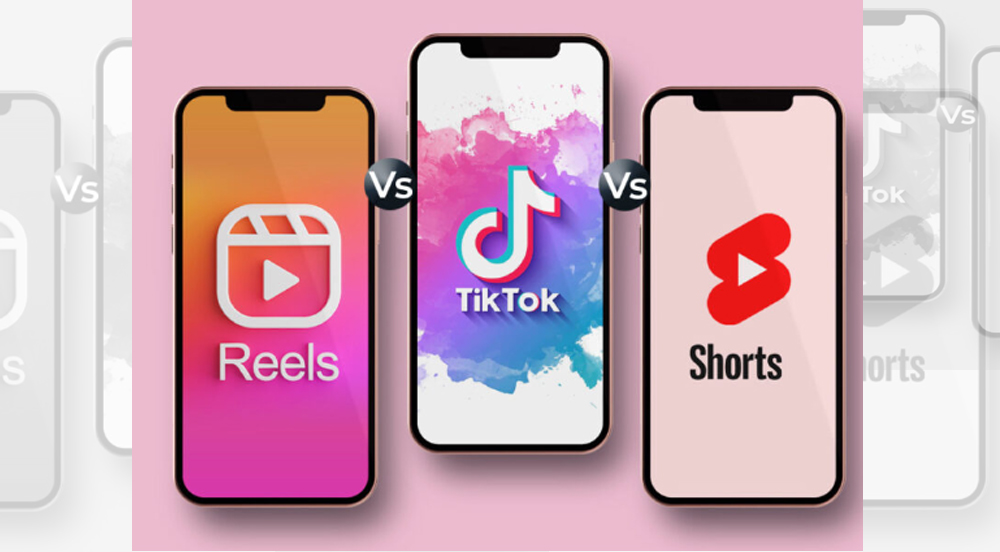
Have you ever felt like you’re creating content nonstop… but still not getting real growth?
You’re posting on Instagram, trying TikTok trends, maybe even uploading YouTube Shorts, yet the results feel inconsistent. Views come and go, but customers don’t.
In 2026, this is the biggest problem in digital marketing and social media marketing strategy: businesses are creating content, but not building a system.
And here’s the reality most brands miss:
Short-form video is expected to account for over 80% of all online traffic in 2026, and brands actively using short-form video marketing are seeing 2–3x higher engagement rates compared to static content.
 With platforms like Instagram Reels, TikTok, and YouTube Shorts dominating attention spans, businesses are now facing a critical question:
Where should we actually invest our time, content, and ad budget?
The truth is simple: there is no single winning platform.
Success in social media marketing in 2026 depends on your goals, audience behavior, and monetization strategy. The most effective brands are not relying on one platform, they are building a multi-platform content marketing strategy, where each channel plays a specific role in their growth system.
TikTok: Best for Fast Reach & Viral Growth
TikTok is still the strongest discovery engine for new audiences because its algorithm is built on interest, not follower count. That means any brand, no matter how small, can suddenly appear in front of millions of people.
For example, The Ordinary, a Canadian skincare brand, has repeatedly gone viral through simple educational skincare clips and user-generated “routine” videos. Often created by small influencers, this content has reached millions of views, driving massive spikes in product demand and even stock shortages, proving how TikTok marketing strategy can turn everyday content into global brand exposure overnight.
This is why TikTok has become a core pillar of short-form video marketing for fast-growth brands.
It is especially powerful for startups, personal brands, ecommerce businesses, and trend-driven products that need rapid visibility and viral attention.
Why businesses use TikTok:
- Extremely powerful algorithm for viral reach
- Best platform for cold audience discovery
- Strong performance for trends, storytelling, and entertainment
- Huge engagement from Gen Z and Millennials
Pros:
- Fastest growth potential from zero
- High chance of viral reach even with small accounts
- Strong community-driven engagement
Cons:
- Unstable virality (results can fluctuate)
- Lower long-term content lifespan
- Monetization depends heavily on region and program eligibility
Instagram Reels: Best for Brand Building & Conversions
Instagram Reels is one of the strongest platforms for turning attention into customers because it combines discovery with trust and in-app shopping. For example, global brands like Nike and Glossier use Reels and creator collaborations to showcase product drops, styling ideas, and real-user experiences, often generating millions of views and driving direct traffic to product pages through tagged posts and Instagram Shop features.
It is especially effective for local businesses, fashion, beauty, service-based companies, and premium brands that rely on trust, aesthetics, and conversions.
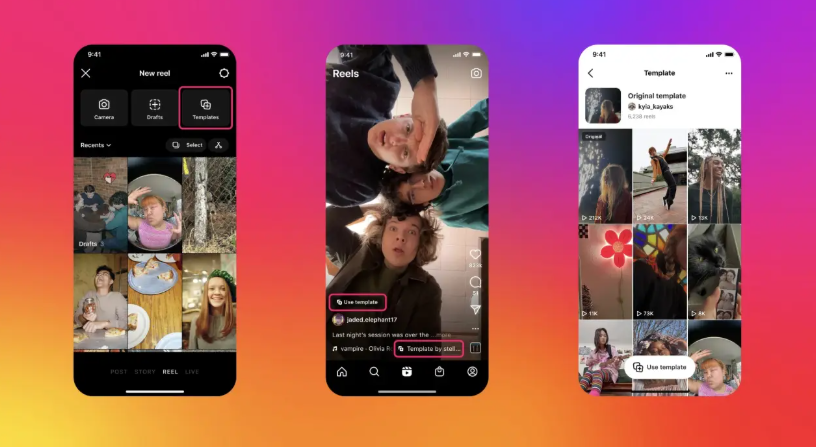
Why businesses use it:
- Strong integration with Instagram shop + DMs
- Better for audience trust and lifestyle branding
- Works well for retargeting existing followers
Pros:
- Higher-quality audience for purchases
- Strong for brand identity and aesthetics
- Great for remarketing campaigns
Cons:
- Organic reach is harder than TikTok
- Growth is slower without paid ads
- Algorithm favors existing followers more than new discovery
YouTube Shorts: Best for Long-Term Growth & Authority
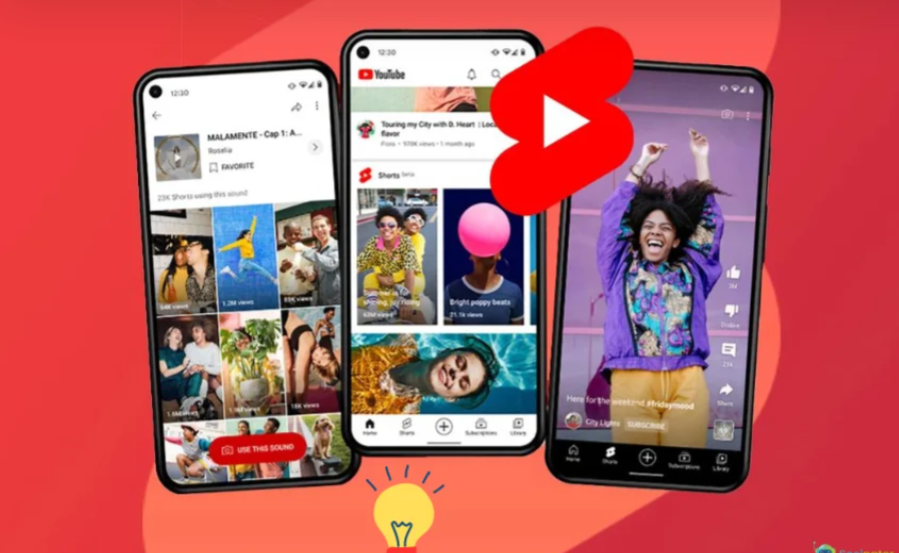
YouTube Shorts is a powerful platform for long-term visibility because it combines short-form reach with YouTube’s strong search and recommendation system. For example, global brands like Samsung and Apple use Shorts to showcase quick product demos, features, and launch highlights, which continue generating views long after posting and often lead viewers to watch longer videos or visit official product pages, building trust, authority, and sustained traffic over time.
It is especially effective for agencies, educators, coaches, SaaS companies, and authority-based brands that focus on credibility, depth, and long-term audience growth.
Why businesses use it:
- Content stays discoverable for months or years
- Strong connection to long-form YouTube content
- Best for educational, informational, and evergreen content
Pros:
- Long content lifespan (SEO advantage)
- High trust and authority building
- Strong monetization ecosystem overall
Cons:
- Slower initial growth compared to TikTok
- Requires consistency for traction
- Less “viral randomness”
Final Strategy (What Smart Businesses Do in 2026)
Instead of choosing ONE platform, successful brands do this:
TikTok = Awareness (go viral & reach new people)
Instagram = Conversion (turn audience into customers)
YouTube Shorts = Authority (build long-term visibility & SEO)
Bottom Line
If your business is:
- New → Start with TikTok
- Selling products/services → Focus on Instagram
- Building authority or long-term brand → Invest in YouTube Shorts
But the real winning strategy in 2026 is simple:
Repurpose content everywhere, but adapt it to each platform’s algorithm, audience mindset, and format style, not just copy-paste. Every platform has a different mindset: TikTok = discovery, Instagram = trust, YouTube = depth.
Brands that win are not posting more, they are distributing smarter across the entire ecosystem.
